2 Comments

Music and Folklore by the Sea - Varna

Very much like everyone's Bulgarian grandfather makes his own Rakia (tasty alcoholic beverage) in the basement, every single Bulgarian region has its very own traditional baggage. The dances, the outfits, even the specific melodies and special rhythms. From the Strandzha Mountains to Koprivshtitsa, they all have their own characteristics. And very much like Rakia, it's something you need to learn to appreciate, at small doses at a time, because, despite your eventual confidence, this is strong stuff that your non-Bulgarian body is not used to.

Let me then take you on a little introductory promenade. Small doses is key to really enjoying the taste.


It must be said though, that for myself, it is really in Sea capital Varna that I experienced the colourful traditional Bulgarian folklore first hand. A fine city on the East Coast (or "Coast, as there's only one), lying on the Black Sea and on layers of Thracian, Greek and Roman ruins (but for more on that you might need to listen to the Podcast from Varna).

Let us start off with a little song from the famed Mysterious Bulgarian Voices, and more specifically here, by the a capella women's choir BWVFE, stealthily filmed by my (hardly) discreet phone:


These very unique voices, luckily for you, can also be heard individually, outside of a typical choir formation. If you look carefully at the video above, you will notice young Polina, second from the left, who was kind enough to record a few songs for the website in the Varna Sea gardens, right after having already graced the Podcast, Episode 4 with her wonderful singing.

Fifteen-year-old Polina is playing these traditional melodies on the Bulgarian version of the Ukulele, the Tambura! It is actually stringed like the last four strings of a guitar, except it's strings are doubled, which gives it this particular sound.

If you listen closely to Polina's song on the right, "Sadi Rada Radouli" which is a song about this guy called Radi who sells radishes (this is a total guess by the way), you will notice irregular rhythms throughout the song, as if some beats were avoided or added and the music was taking surprising detours and short cuts. This is a very specific trait of Bulgarian traditional music. And this is not (solely) due to over-consumption of Rakia by Bulgarian folk-song-writers. Bulgarian folklore, cut off of Western influences during the Ottoman rule kept developing it's very unique musical style.

As surprising as that may sound, many of these "confusing" rythms are perfectly natural to most Bulgarians who, having heard and danced to them all their lives, are more than glad than to skip effortlessly to them on a sunny afternoon in the popular "Sea Gardens". Try to spot which ones are the non-Bulgarian tourists.


This rythm could probably be best decribed as the da-x-dou-bi-DOU-DOU-di. Maybe. I don't really get it to be honest. I would love to join in though. But similarly to following Bulgarians drinking Rakia, it's probably something you can only do after a lot of practice and spending many years living in the country.

Despite a craving to join in with the dances and the Rakia, I might just stick with what I know for now. Speaking of which, do any of these Ukuleles ring a bell?

 
By the entrance of Yo-Ho Hostel, Varna

By the entrance of Yo-Ho Hostel, Varna


2 Comments

Thraces of the past in the Strandzha Mountains

1 Comment

Thraces of the past in the Strandzha Mountains

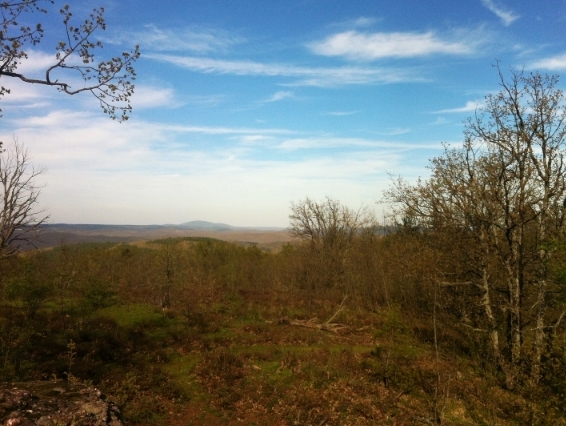
Not too many tourists venture themselves into inland south-eastern Bulgaria. They rather flock to the sunny coast and enjoy the hotels and cocktails with a warm Black Sea for their pleasure - it's not warm now though, as I have discovered.

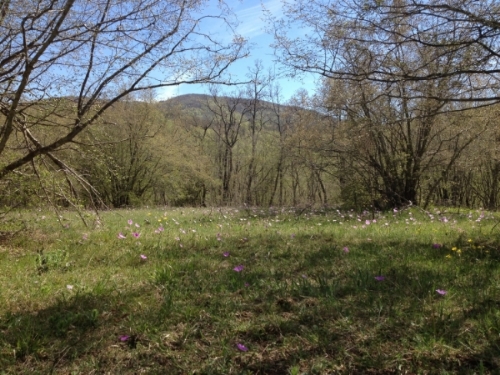
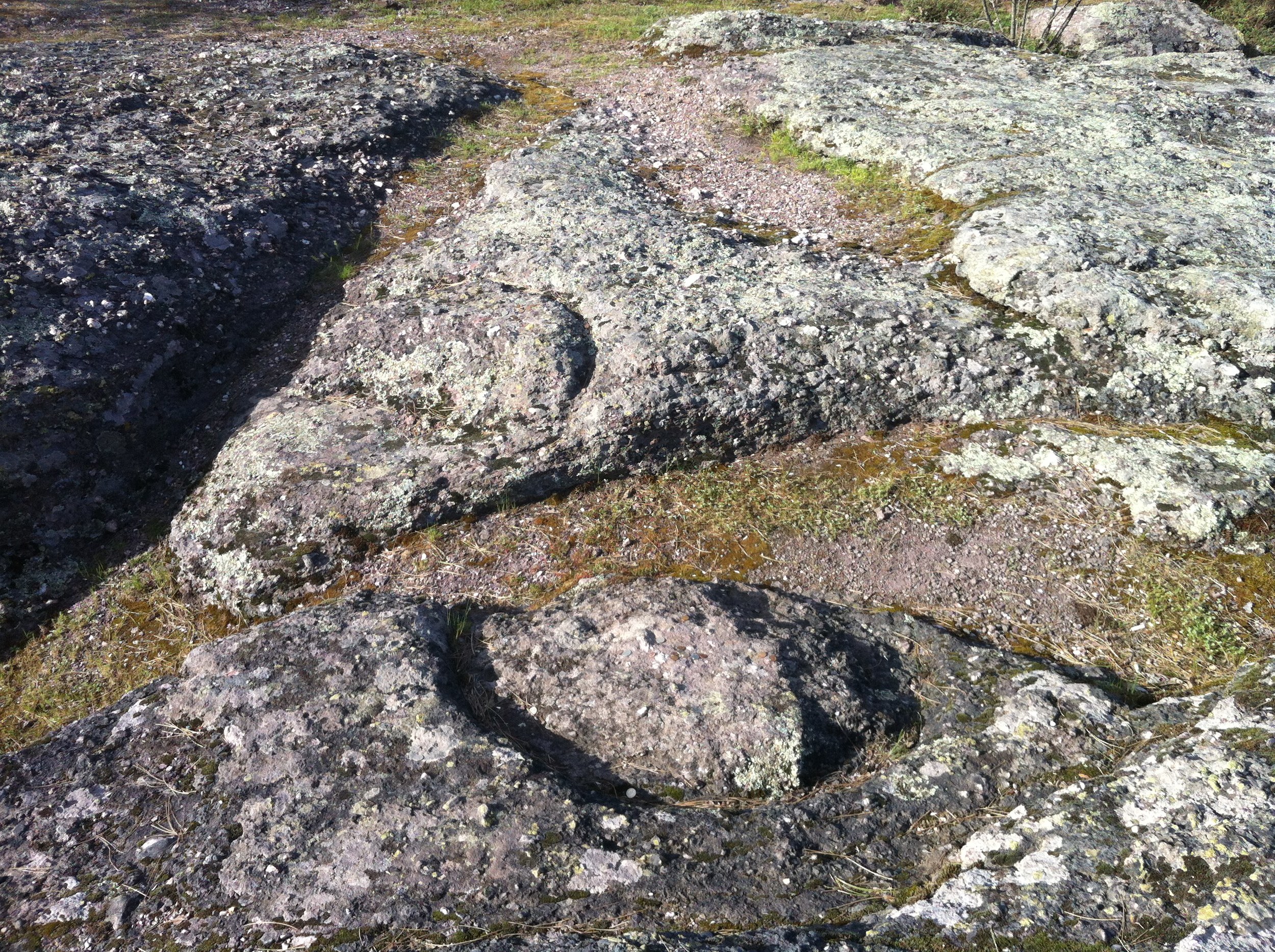
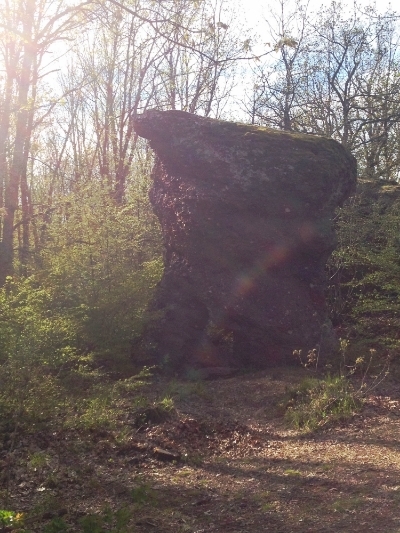
So, before I took a dip in the freezing Black Sea and fell ill for a week, I spent some time in the region of the Strandzha Mountain where the Thracians that lived here more than two thousand years ago, only have a few burial stones to show for their existence and beliefs:


The Thracian Tombs were discovered a the end of the last century, and although some stones have tinted sides by paint applied 2500 years ago, you really have to use your imagination to guess what any of the burial site must've looked like. If you do want to get an idea, a place like Kanzanlak, near Buzludzha, is what you should go for. But walking around on this hill, horses rushing by, bees energetically guarding a tomb, and flowers of all colours, like a carpet to the highest spots, it is quite the experience.


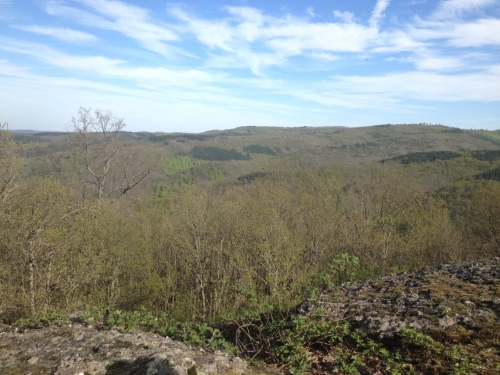
The Srandzha region is a gorgeous, almost wild, part of the country and is very much uncolonised by buildings and hotels, which fill up the coast. If you have a (solid) car, and have the nerves of steel it takes to deal with Bulgarian drivers (who do not value life as much as getting where they're going, on time, it seems), I can only recommend a quiet and green escapade in these parts.

1 Comment

Plovdivian Promenade -  Plovdiv (Пловдив)

Comment

Plovdivian Promenade - Plovdiv (Пловдив)

Plovdiv has many great stories and little cute anecdotes to pique your curiosity. These span over SIX THOUSAND continually inhabited YEARS! So, just like with Bulgarian Menus, you can choose a page (of history), something you like, and not really know what you're going to get at all. But what is sure is that you are getting a massive serving. 

 
Typical space-gaining 2nd floors

Typical space-gaining 2nd floors

Extract of a traditional Bumgarian restaurant's menu which I came accross

Extract of a traditional Bumgarian restaurant's menu which I came accross


A more recent and very much unknown fact about this place, is that the third episode of Ukulele Road Trips Podcast was recorded there. It's an Easter special with plovidivy themed chit-chat, just what the place and season demanded. You should give it a listen I reckon.

If you like hills, cobblestones, nice views and Roman Theaters, you're in for a treat. They have respectively 6, a lot, a few, and one nice one. On the other hand, if you're more into 'walking only' high streets, well... you're also at the right place. Plovidv (and this is totally unchecked information by the way) has the longest in Europe! So you can take a stroll with your girlfriend/lover/trophy wife, or an ice cream, whatever makes you happiest, while under your feet silently snooze thousands of years of history. I mention this because they did recently dig up part of a Roman chariot racing track, but did not excavate the whole thing because that would have meant tearing the whole historical city center apart. Sensible thinking that.

In all these pages of the history-menu turned by a promenade in Plovdiv (and a great free walking tour), the humble story of a charming mustachioed man during the Communist Dictatorship caught my attention. Violinist Sasha the Sweetheart. Not the best name, but I'm guessing it sounds better in Bulgarian. A passionate musician, and as you can guess from his twinkling smile, a sweet humourous entertainer. Sadly, one joke too many, and to the wrong people, lead him to "disappear" all of a sudden in 1961, quite probably to a labour camp. Today, his beaming statue watches over the streams of sunglasses and tourists that pass by the old music school to take a peak at the Roman Theater.

 
Sasha's statue-smile, undisturbed

Sasha's statue-smile, undisturbed


Comment